
Lean Six Sigma projects that reduce variation
In pharmaceutical and food production we tackle batch-to-batch variation, deviations and rework with DMAIC, and confirm process parameters with design of experiments (DoE).
International
We provide Lean Six Sigma, lean manufacturing and operational excellence consulting for plants in Jordan. In Jordan we worked on an international Lean programme for Japan Tobacco International (JTI). Consulting and belt training are delivered in English, on site, with online coaching between visits.
Jordan's manufacturing sector is led by pharmaceuticals, food and beverage processing, chemicals and fertilisers, apparel, plastics and packaging, and tobacco. Pharmaceuticals is one of the country's best-known export industries and supplies markets across the region. Its location also makes Jordan a base for regional production and distribution to Middle Eastern and Gulf markets.
What these industries share is pressure on quality and compliance. In pharmaceuticals and food, batch-to-batch variation, deviations, rework and release times drive both cost and lead time. In apparel and packaging, a growing variety of orders puts changeovers, work-in-progress and labour productivity at the centre.
In pharmaceutical and food production we tackle batch-to-batch variation, deviations and rework with DMAIC, and confirm process parameters with design of experiments (DoE).
We monitor critical quality attributes with control charts and verify laboratory and in-line measurement systems with measurement system analysis (MSA).
On filling and packaging lines we address OEE losses, changeover times (SMED) and 5S to increase line capacity.
We deliver Green and Black Belt training in English at your site for quality, production and engineering teams. Each participant runs a project from their own area.
In Jordan we worked on an international Lean programme for Japan Tobacco International (JTI); a JTI Lean programme was also delivered in Poland. Our working language in Jordan is English; we do not train in Arabic. Diagnosis, Kaizen events and belt training take place on site, while project follow-up and coaching run online between visits.
We discuss the plant, the targets and the team structure in an online call. The working language (English or Turkish) and the scope of the first site visit are agreed at this stage.
On the first visit we walk the lines, review the data and identify the largest losses together with the management team. Programme priorities are based on what we see on the shop floor.
We put into writing which projects run with which teams and in what order, so that headquarters and plant management work from the same plan.
Projects move forward through regular site visits. Between visits we hold online coaching sessions with project leaders and review analyses and milestones together.
Belt training is delivered face to face, ideally at the plant itself. The goal is to build internal experts who keep the programme running without a consultant.
Frequently asked questions
Yes, in Jordan we worked on an international Lean programme for Japan Tobacco International (JTI). A JTI Lean programme was also delivered in Poland.
Yes, we deliver Green Belt training, as well as White/Yellow and Black Belt, in English and in-house at your site in Jordan. Training is face to face and participants work on a real project during the programme. We do not train in Arabic.
In pharmaceutical manufacturing Lean Six Sigma is mostly used to reduce batch-to-batch variation, deviations and release times. DMAIC finds root causes from data, DoE confirms process parameters and SPC keeps the improvement in place; changes follow the change control rules of the site's quality system.
Yes, lean manufacturing on filling and packaging lines is a core part of our work. OEE analysis, SMED and 5S apply directly to food, beverage and packaging operations, and DMAIC projects address yield and quality losses.
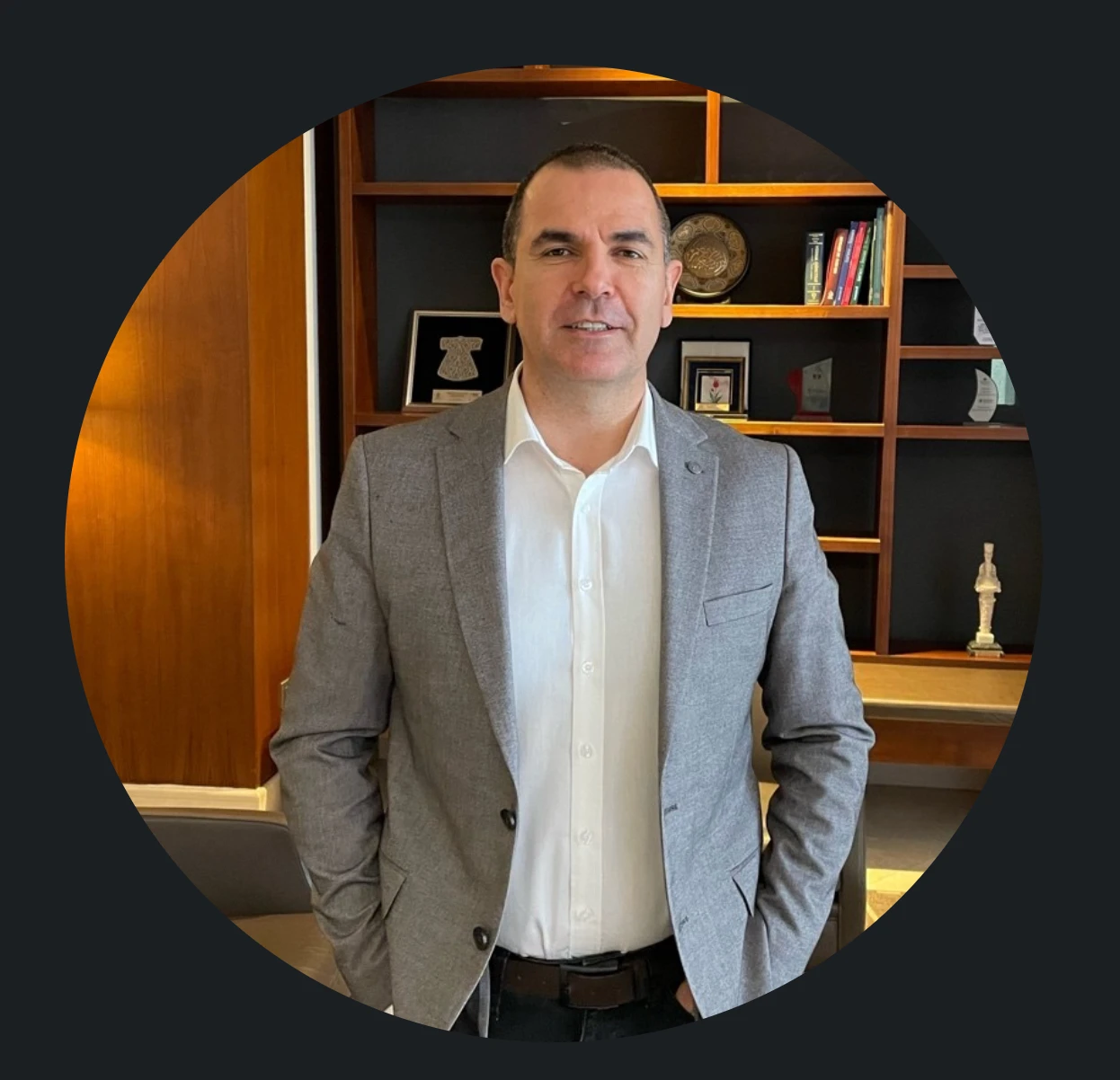
Led by
Lean Six Sigma Master Black Belt · Founder of Fega Partner
More than 25 years on the shop floor, over 1,000 improvement projects and programmes delivered in seven countries. Abbas Erdenal personally leads every consulting engagement and training.
About Abbas Erdenal