
Line balancing and standard work
On sewing and assembly lines we time the operations, make bottlenecks visible and rebalance the line. Standard work sheets are kept short and visual so that new operators can follow the same method.
International
Yes, we have delivered Lean Six Sigma projects in Ethiopia and we provide consulting to manufacturing sites there. We work in English with local teams, with on-site visits and online coaching in between. The priority is to establish standard work in teams that were built quickly and to make productivity losses measurable.
Industrial parks built in Ethiopia over recent years have brought together a large number of textile and garment investments, many of them by Turkish and other foreign investors. Beverages and food production are among the country's long-established industries.
In newly built plants the machinery is usually modern; the real gap is that operators and first-line supervisors have to be developed quickly. The working practices that are second nature in an established plant do not appear on their own. Line balancing, standard work, visual management and start-of-shift meetings are the basic tools that move output per minute and quality fastest in this setting.
On sewing and assembly lines we time the operations, make bottlenecks visible and rebalance the line. Standard work sheets are kept short and visual so that new operators can follow the same method.
In a new plant, setting up order and follow-up correctly from the start saves a great deal of correction later. With 5S, line boards and start-of-shift meetings, problems become visible on the day they occur.
For chronic problems such as fabric waste, sewing defects or quality deviations on filling lines, we open a DMAIC project and find the root cause in the data. A local team leader runs the project; we coach every phase.
Lasting improvement needs local people on site who know the method. White/Yellow Belt and Green Belt training is delivered in English, face to face and in-house, with each participant working on a project from their own line.
Part of the more than 500 Lean Six Sigma projects delivered across Türkiye, Pakistan, Iran and Ethiopia between 2013 and 2021 took place in Ethiopia. New engagements start on the shop floor with the current state and the data, and we select the local team leaders who will drive improvement together with you. We work in English with local teams and in Turkish with Turkish management; we do not work in Amharic, so operator-level training is rolled out through local team leaders. Coaching between visits is online; belt training is delivered face to face and can be held at your plant.
We discuss the plant, the targets and the team structure in an online call. The working language (English or Turkish) and the scope of the first site visit are agreed at this stage.
On the first visit we walk the lines, review the data and identify the largest losses together with the management team. Programme priorities are based on what we see on the shop floor.
We put into writing which projects run with which teams and in what order, so that headquarters and plant management work from the same plan.
Projects move forward through regular site visits. Between visits we hold online coaching sessions with project leaders and review analyses and milestones together.
Belt training is delivered face to face, ideally at the plant itself. The goal is to build internal experts who keep the programme running without a consultant.
Frequently asked questions
Yes. We have delivered Lean Six Sigma projects in Ethiopia before and provide consulting to textile, garment and beverage plants there, on site and in a hybrid model. The scope is agreed in an introductory call based on the plant's priorities.
Yes. White/Yellow Belt, Green Belt and Black Belt training is delivered face to face in English and can be organised in-house at your plant. Participants work on a project selected from their own line during the programme.
We work in English with local teams and in Turkish with Turkish-speaking management. We do not deliver training in Amharic; operator-level practices are rolled out through local team leaders.
We start by measuring where time is lost on the line: method, skill, balance or stoppages. The first actions usually target line balance and standard work, because they affect output fastest and do not require investment.
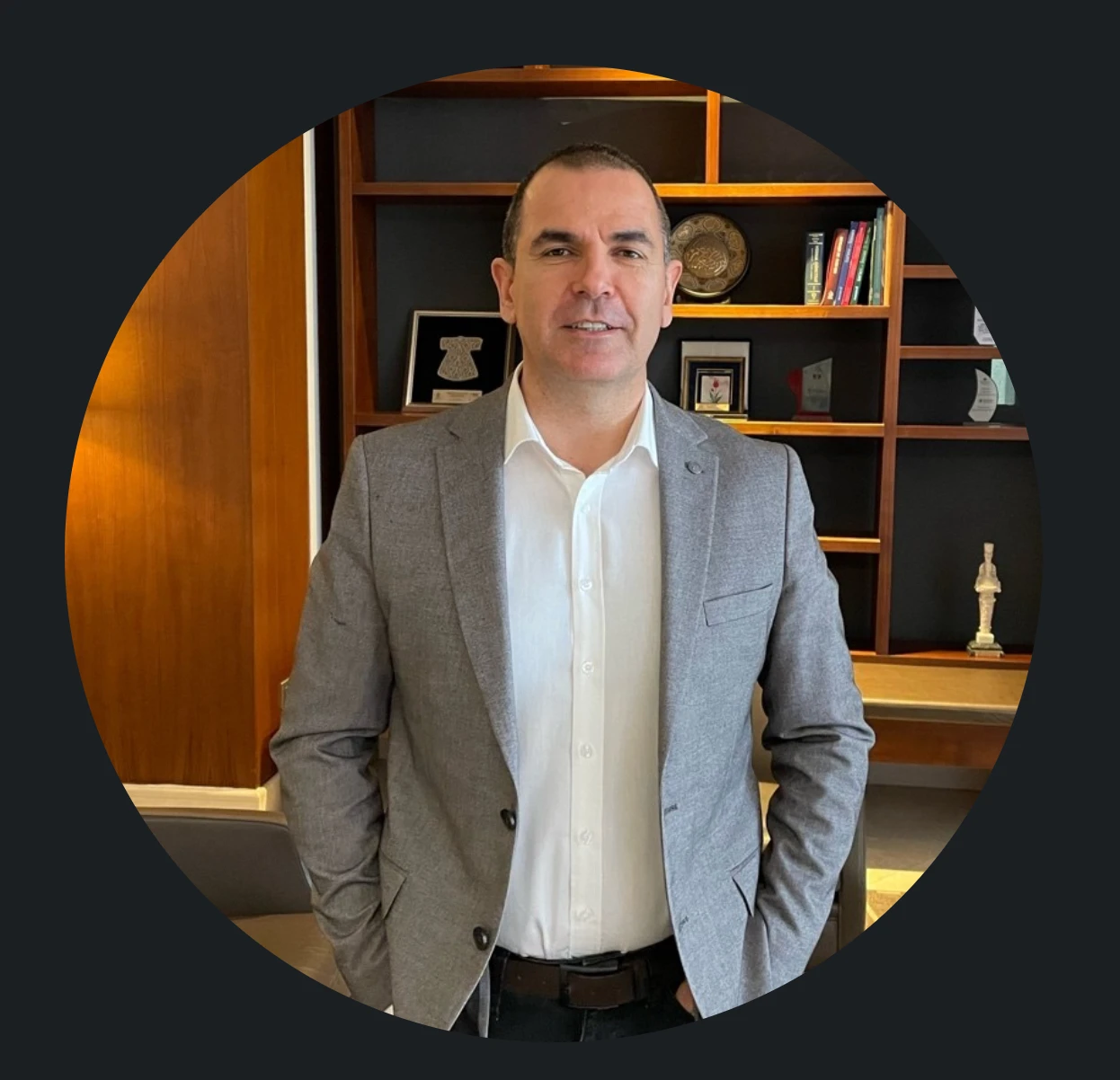
Led by
Lean Six Sigma Master Black Belt · Founder of Fega Partner
More than 25 years on the shop floor, over 1,000 improvement projects and programmes delivered in seven countries. Abbas Erdenal personally leads every consulting engagement and training.
About Abbas Erdenal